
How it Works
The process looks different depending on which side of a data request you are on. Here is what it looks like for data holders, and for researchers.

For Data Holders
The setup follows the same logic whether you are running a population cohort, managing a clinical registry, or maintaining a biobank. You start with what you already have.
Import Your Dictionary
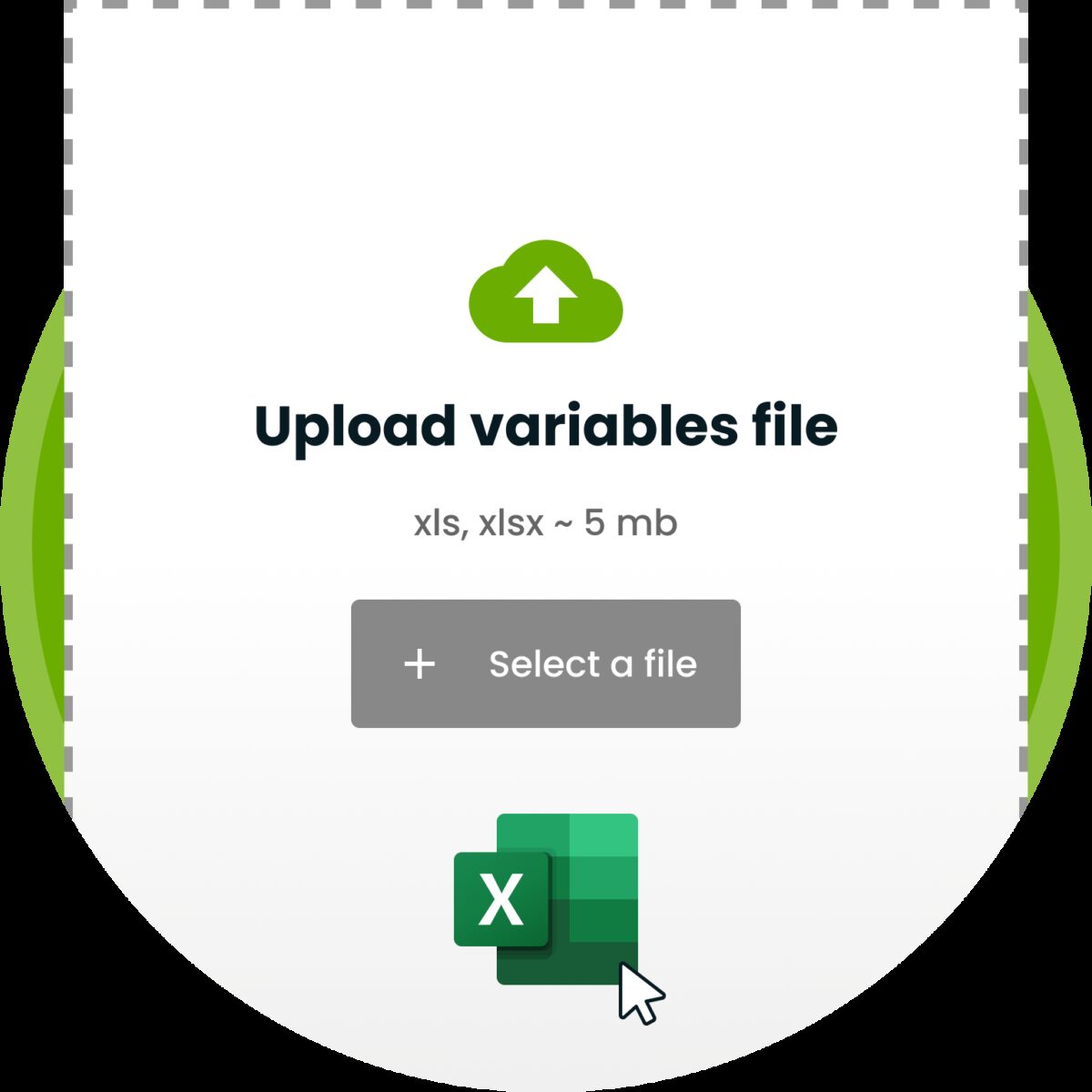
Upload your existing variable list as an Excel or CSV file. If you maintain a codebook, that is the starting point. From there, variables can be organized into thematic categories and enriched with labels, keywords, and measurement details. Each time the dictionary is updated, a new version is created, keeping past data requests linked to what was available at the time.
Set Up Your Request Process
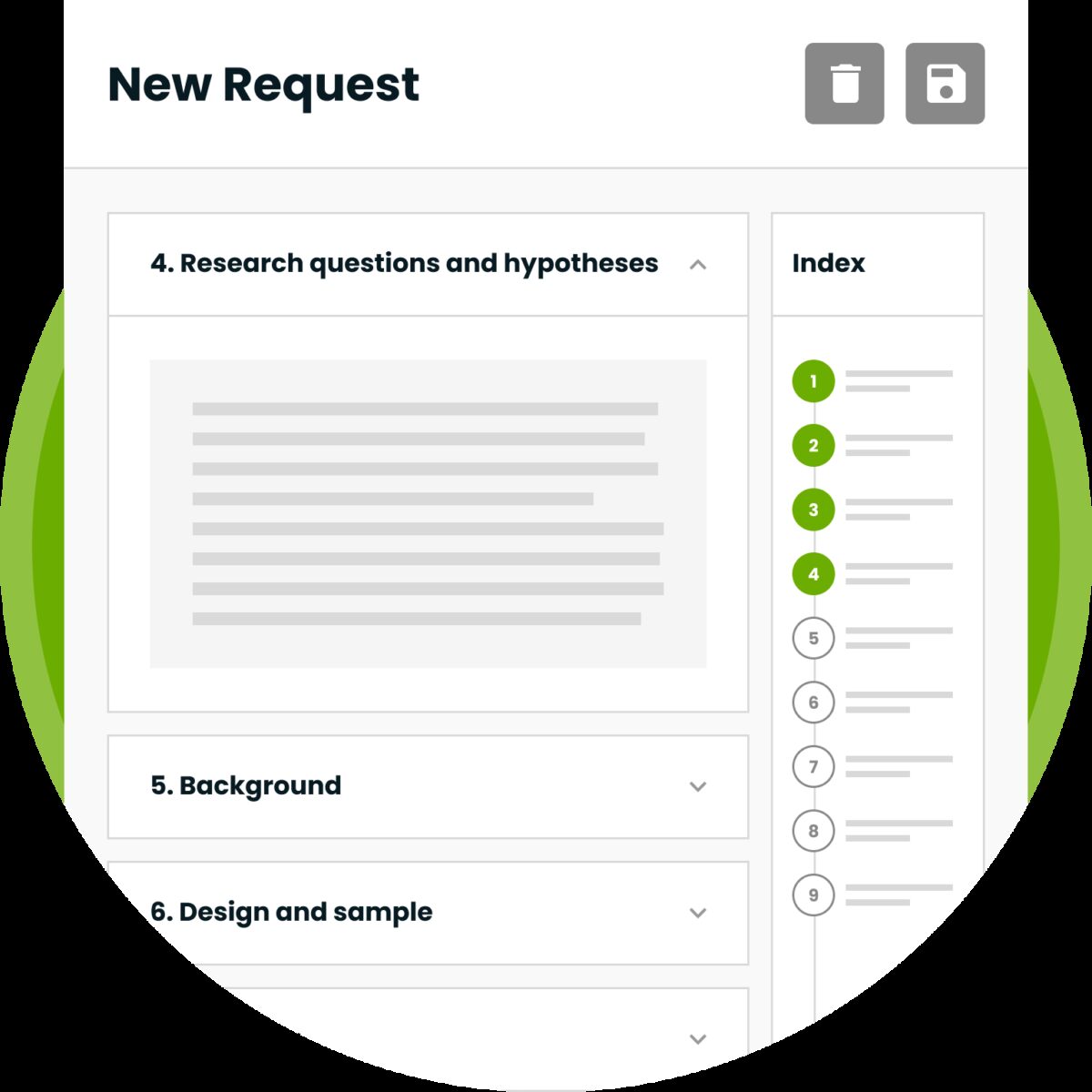
Every study has its own standards for what a data request needs to contain. The platform lets you configure your own intake form: research questions and hypotheses, study design, planned analyses, ethical approvals, and whatever else you need to make a well-informed decision. Researchers fill in what you have defined, which means requests arrive in a consistent format rather than whatever the requester thought was relevant.
Manage Requests
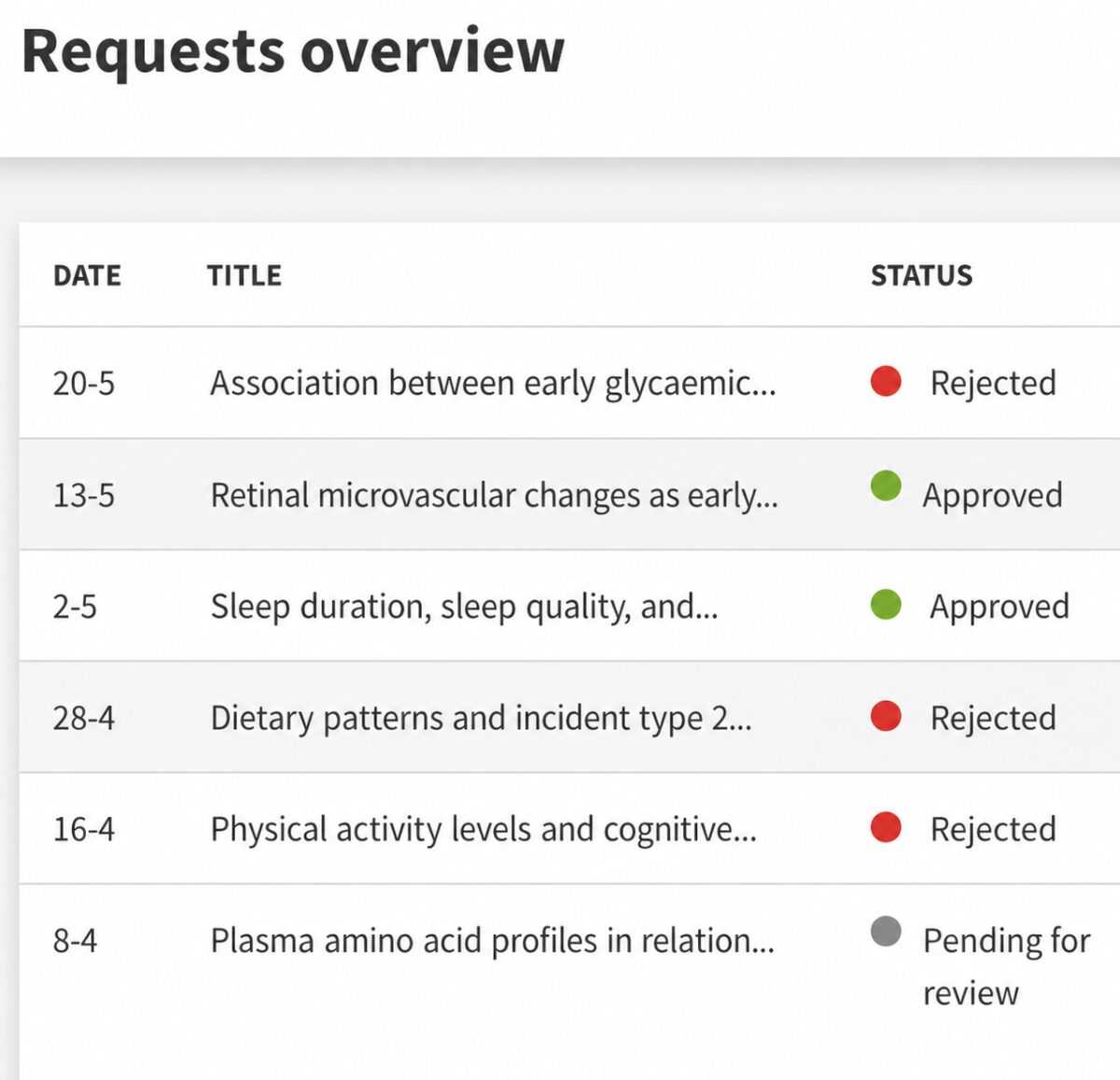
All requests come in through a central overview with a clear status for each one. Different members of your team can take on different roles in the review process: data manager, scientific reviewer, data steward. Each can see exactly where things stand. Requests do not get lost between inboxes because there is only one place they exist.
Assess and Respond
Review the request, ask for clarification if something is missing, approve it, or decline it with a written explanation. Every step is recorded. That record is useful when your institution asks how data sharing is managed, when funders expect documentation of your access process, and when a researcher wants to understand why a previous request was declined.
Researchers
Finding out what a study holds normally means contacting someone and waiting for a reply. The Data Dictionary makes that step unnecessary for most questions.
Search & Filter
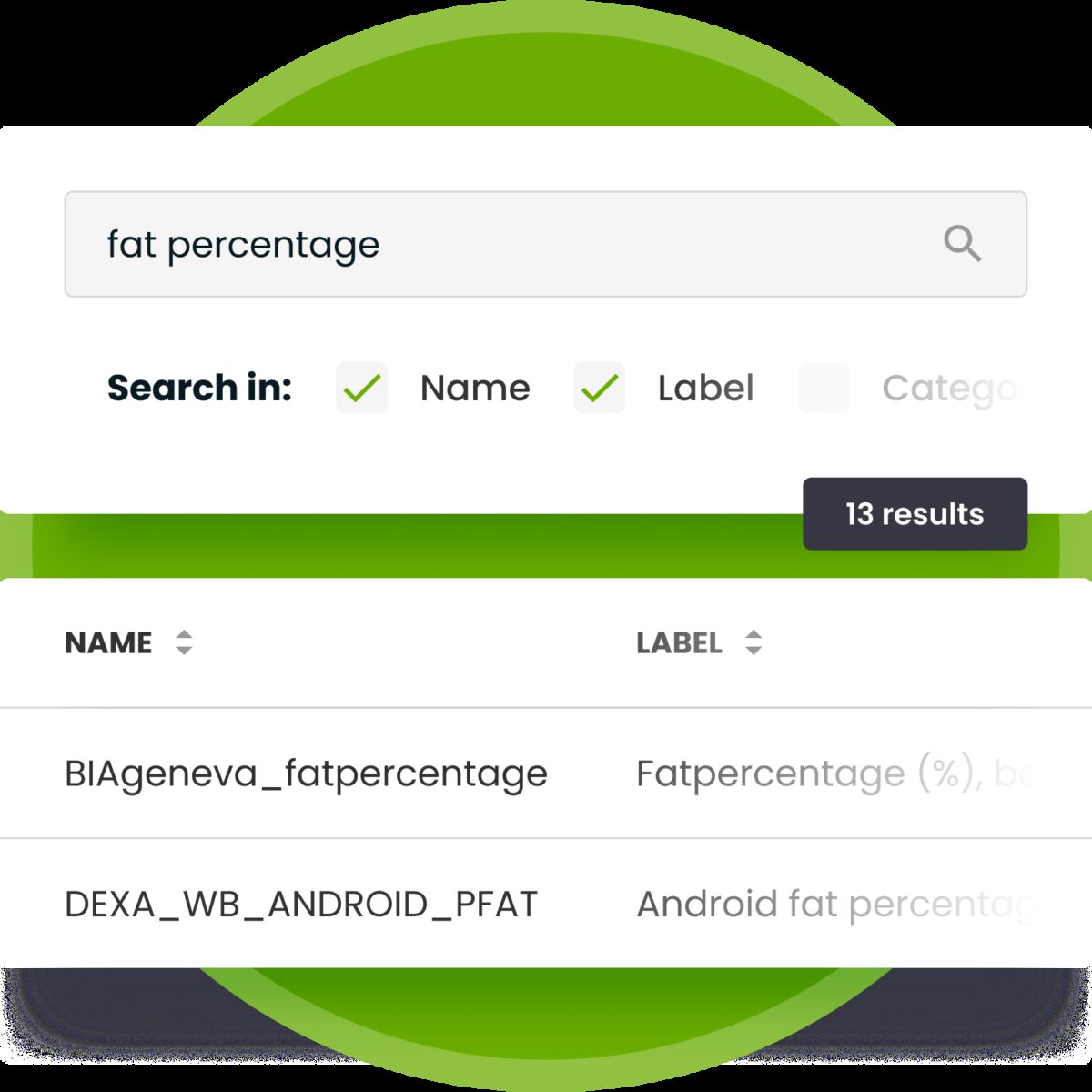
The full variable catalogue is searchable by keyword, variable name, label, and category. If you are looking for a specific biomarker, a cognitive measurement, or a particular imaging parameter, you can find it directly. A large cohort catalogue can cover thousands of variables across dozens of research domains, the kind of scope that would take weeks to explore through email correspondence.
Build a Collection
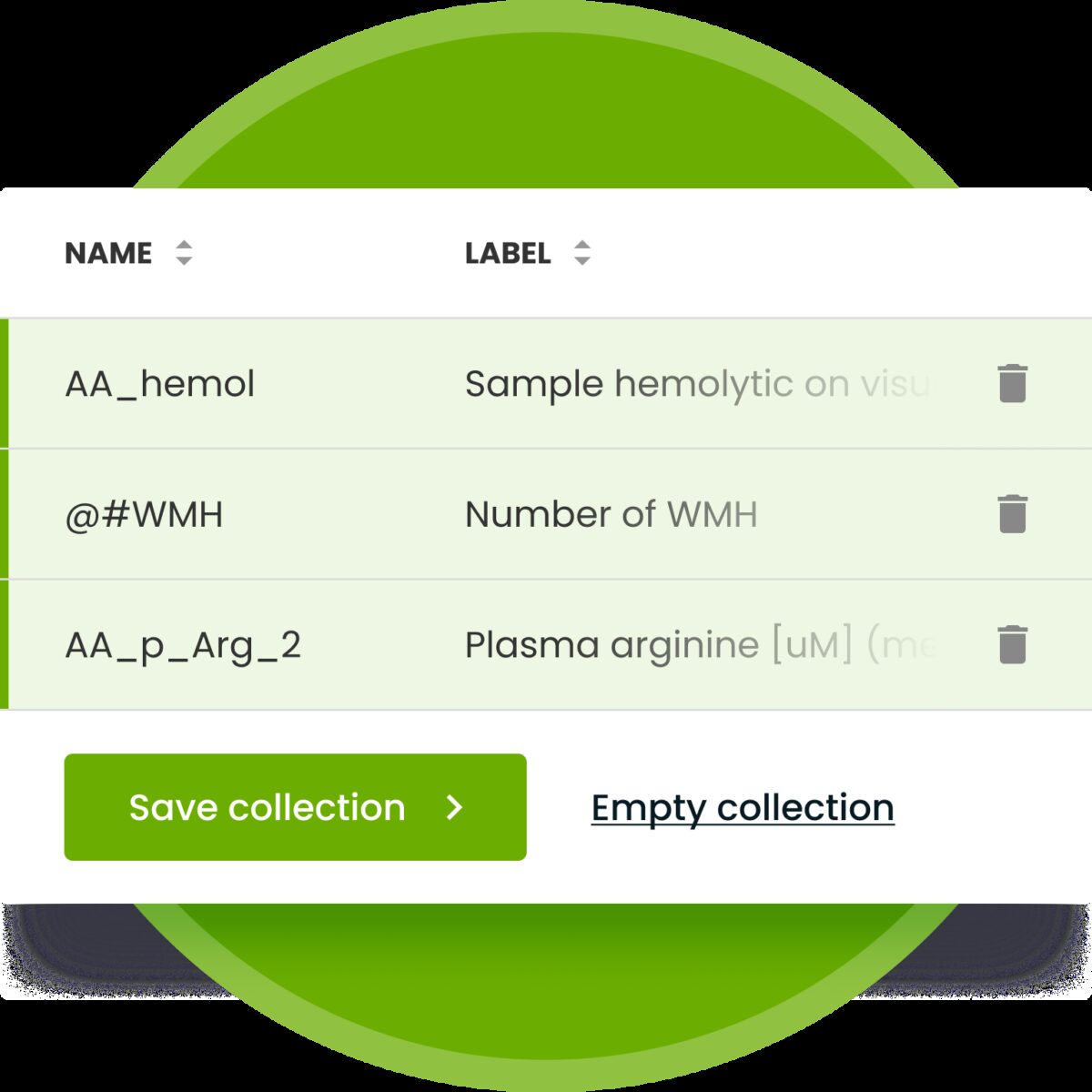
Variables relevant to your research can be saved to a personal collection as you browse. This lets you refine your selection across sessions, compare options, and arrive at a precise specification of what you need before you put in a formal request.
Request data
When your selection is ready, a structured request form walks you through what the data holder needs to know: your research question and hypotheses, background on the project, study design, planned analyses, and relevant ethical approvals. Filling this in properly up front means the data holder has what they need to make a decision without coming back to you for more information, which in practice is what delays most requests.