
Open your research data to the world
Everything researchers need to find and request your data. Everything you need to manage it properly.


Open (up) Science
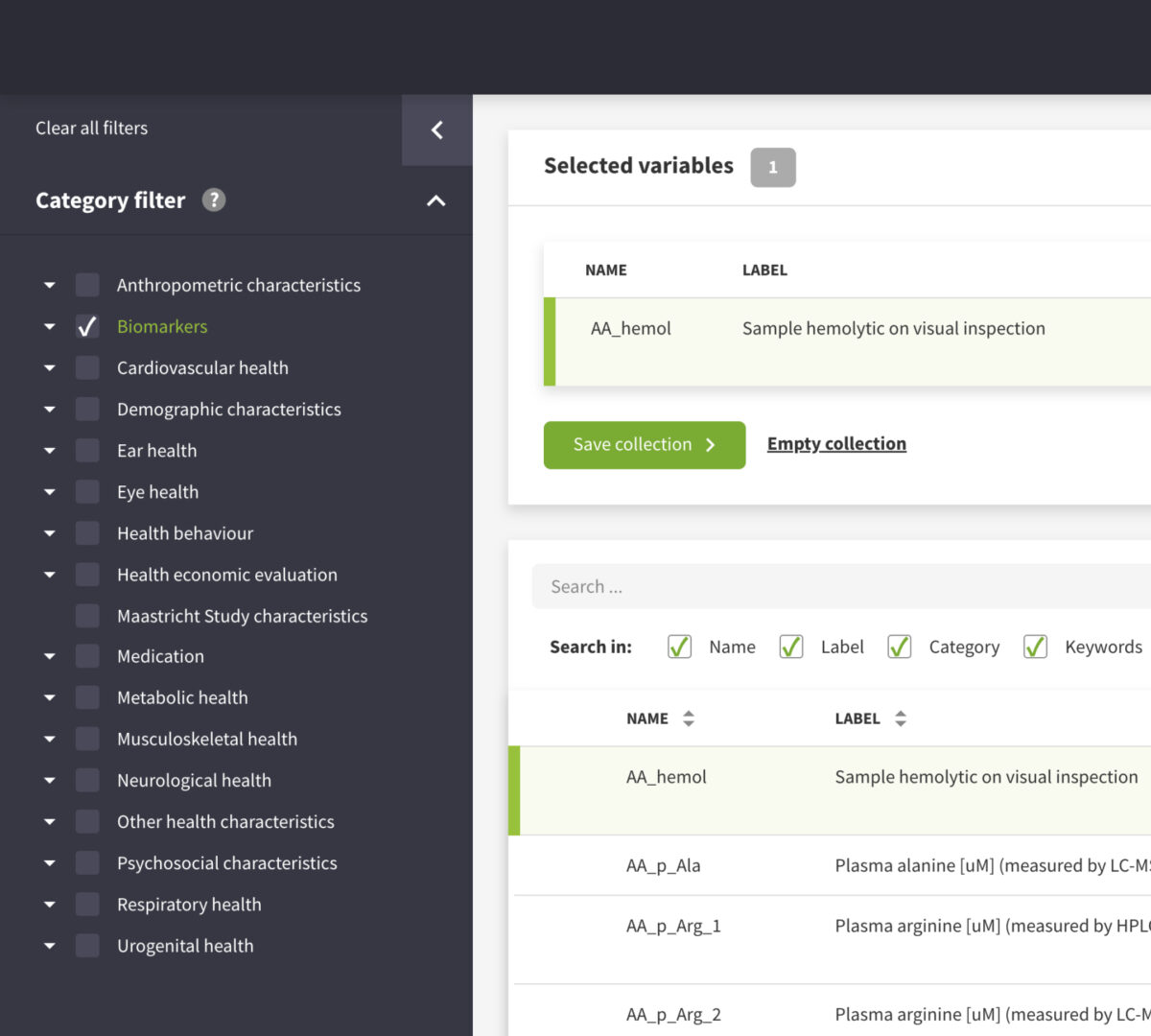
Make your variables and measurements visible and accessible to researchers all over the world.

FAIR in Practice
A well-documented, searchable catalogue is how FAIR principles translate into something concrete rather than a compliance checkbox.

A Process That Works
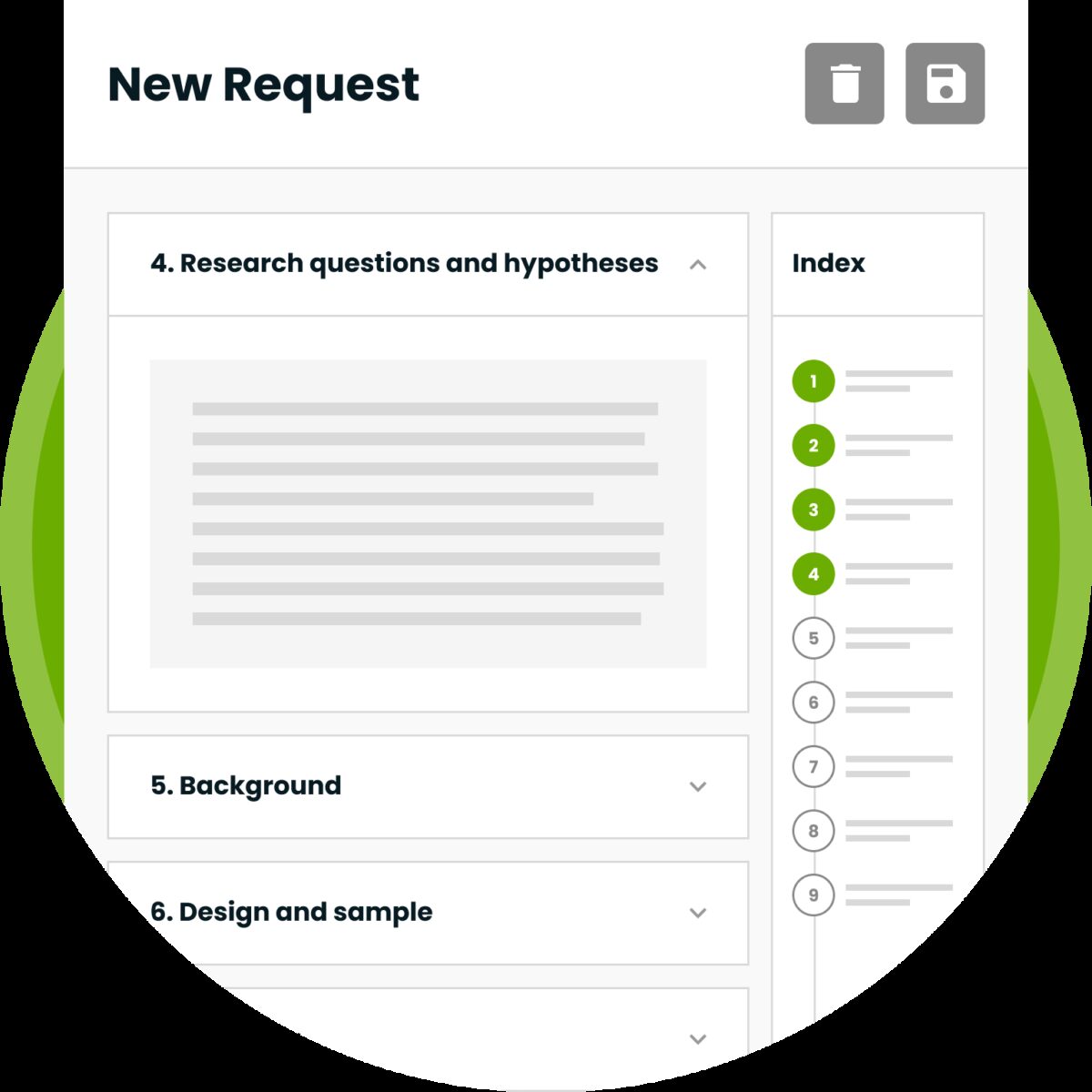
A structured intake, a consistent request format, and a workflow to move from submission to decision.
Research data management for cohorts, biobanks and clinical registries.
A researcher contacts a study to ask whether a particular variable was collected. The data manager checks, replies, fields follow-up questions. Eventually a request form is sent, usually a Word document, and a few more emails are exchanged before anything is decided. This is how it works at most cohort studies, biobanks, and clinical registries. Not because people are doing it wrong, but because no system exists to do it differently.
The Data Dictionary came out of running this at The Maastricht Study, a large population cohort with over 8,000 variables and a regular flow of external data requests. At some point, fixing it with another spreadsheet stops being an option.
Frequently Asked Questions
A data dictionary describes what a study has collected. For each variable (a blood pressure measurement, a questionnaire item, an imaging parameter) it records the name, label, unit, measurement method, and other relevant metadata. Researchers use it to understand what a study holds before they decide to put in a request. For data holders, a well-maintained dictionary answers the most common exploratory questions without requiring any human input.
Any organization that holds research data and receives requests from external researchers, or wants to. Population cohort studies, longitudinal research programmes, clinical registries, UMCs, and biobanks are the most obvious fit. If requests currently arrive by email with inconsistent information, or if there is no formal process at all, that is exactly the situation the Data Dictionary was built for.
No. The platform only holds metadata, meaning descriptions of your variables, not the underlying data itself. Your research data stays in your own systems. The Data Dictionary manages what is visible, how requests come in, and how they are processed.
If you already maintain a codebook or variable list, getting started is mostly a matter of importing that file and organizing the output. Most studies are in a position to go live within days. There is no months-long implementation project involved.
Yes. A data dictionary does not depend on active data collection. Studies that have completed their measurement phases can keep their catalogue live, so historical datasets remain findable and accessible long after the study itself has closed.
A searchable catalogue with structured metadata addresses the Findable and Interoperable requirements directly. A standardized request and review process covers Accessible. A clear governance record of who requested what, when, and what was decided supports the kind of documented, repeatable access that Reusable requires. The platform does not produce a FAIR compliance report, but it operationalizes the principles in a way that makes that reporting straightforward.
Collaboration
This initiative is developed through a collaboration between these parties:


